Pressure Cleaning Sandringham Homes After Coastal Storms
Coastal storms can leave Sandringham homes coated in salt spray, windblown sand, leaf litter and muddy runoff. Around Melbourne Bayside, these deposits affect more than street appeal. Salt can accelerate corrosion on vulnerable metals, gritty debris can scratch finishes, and wet organic material can make paths and driveways slippery.
Pressure cleaning can help restore outdoor surfaces, but effective storm cleanup does not mean using maximum pressure everywhere. Painted weatherboards, render, concrete, timber and roofing all need different treatment. The safest approach is to inspect for damage first, remove loose debris, and match the cleaning method to the surface.
Why Coastal Storm Residue Needs Attention
Sandringham’s position beside Port Phillip Bay exposes properties to salt-laden winds, particularly during strong onshore weather. Exposure varies with distance from the foreshore, wind direction, building orientation and shelter from surrounding structures.
Once stormwater evaporates, salt can remain on windows, cladding, garage doors and metal fittings. Repeated salt exposure, especially where moisture collects, increases the risk of corrosion on susceptible materials. Fresh-water rinsing helps remove these deposits, although it cannot repair existing rust or damaged protective coatings.
Sand creates a different problem. Scrubbing or blasting a gritty surface without first removing loose particles can mark paint, glass and softer finishes. Leaves and sediment also collect in drainage channels, creating blockages that may become obvious only during the next downpour.
Prompt cleaning is useful, but safety and building repairs come first. Wait until severe weather has passed and the property is safe to access before starting.
Inspect the Property Before Pressure Washing
A post-storm inspection helps separate ordinary dirt from problems that need a repairer, electrician or specialist cleaner. Inspect from ground level wherever possible, and avoid climbing onto a wet roof.
- Check electrical hazards: Keep clear of fallen powerlines, damaged outdoor wiring, wet electrical fittings and equipment affected by flooding. Have suspect installations checked before cleaning nearby.
- Look for building damage: Note cracked windows, loose cladding, displaced roof tiles, damaged flashing and gaps around doors or windows. Water jets can worsen these defects.
- Identify unstable areas: Avoid loose branches, damaged fences, undermined paving and retaining walls showing movement.
- Assess contamination: Sewage, chemicals, fuel or unidentified flood deposits require a different response from ordinary storm dirt. Do not disperse them with a pressure washer.
- Check older materials: Suspected asbestos cement must not be pressure cleaned. Stop work and seek advice from an appropriately qualified asbestos professional.
Photograph visible damage before cleaning, particularly if you may lodge an insurance claim. If damage could be claim-related, ask your insurer whether an assessment is needed before undertaking work beyond essential protective measures.
A Practical Order for Post-Storm Cleaning
Working in the right sequence reduces repeat cleaning and helps keep sediment out of drains. It also avoids washing dirt from higher surfaces onto areas you have already finished.
- Make the area safe. Restrict access to slippery surfaces and resolve electrical or structural concerns before using water.
- Collect loose debris. Pick up branches and leaf litter, then sweep or carefully collect sand and sediment where practical.
- Check drainage. Remove accessible debris from grates and channel drains without pushing it into the pipework. Leave unsafe gutter access to a suitable professional.
- Rinse salt deposits gently. Use fresh water and low pressure on sound, suitable surfaces. Avoid directing water into vents, joints and electrical fittings.
- Clean remaining grime by surface type. Use appropriate detergents, equipment and runoff controls rather than one pressure setting for the whole property.
- Inspect after drying. Check for remaining residue, exposed damage, loose coatings and slippery areas that need further attention.
House Washing: Remove Salt Without Forcing Water Inside
For many Sandringham homes, exterior house washing should start with a gentle fresh-water rinse rather than aggressive pressure washing. Salt is water-soluble, so high pressure is not usually necessary just to remove salt deposits. Pay attention to sheltered areas beneath eaves and verandahs, where windblown residue may collect without receiving much rain.
Weatherboards and painted surfaces
Painted timber and older coatings need particular care. Excessive pressure can lift paint, damage timber fibres and drive water behind boards. Use a broad spray, keep a conservative distance, and avoid spraying upward into overlaps or directly at window seals.
If paint is peeling, chalking or flaking, cleaning will not restore the coating. Older homes may also have lead-based paint. Avoid any method that could spread potentially hazardous paint debris until the coating has been assessed.
Render, brickwork and cladding
Rendered walls can develop streaks or surface damage if cleaned too aggressively. Brickwork may be durable, but weak mortar joints and existing cracks are vulnerable to concentrated jets. Fibre-cement products and other cladding systems should be cleaned according to manufacturer guidance.
Soft washing can https://keegankyhc885.clearhavendigest.com/posts/how-much-does-pressure-cleaning-cost-in-bayside-melbourne be suitable for some exterior surfaces. This generally combines low-pressure application with an appropriate cleaning solution, followed by controlled rinsing. Low pressure does not make every chemical treatment safe: product compatibility, dilution, nearby plants and wastewater management still matter.
Driveway Cleaning After Sand, Mud and Leaf Deposits
Driveway cleaning is often a priority after a coastal storm because sediment and wet leaves can create slippery access between the street, garage and front door. Remove loose material first instead of using a water jet to push it towards the kerb.
Sound concrete can often tolerate more cleaning pressure than painted walls, but its age, condition and finish still matter. Excessive pressure can etch concrete, expose aggregate unevenly or strip a sealer. Recently laid concrete requires particular care and should be cleaned only in line with advice from the installer or product manufacturer.
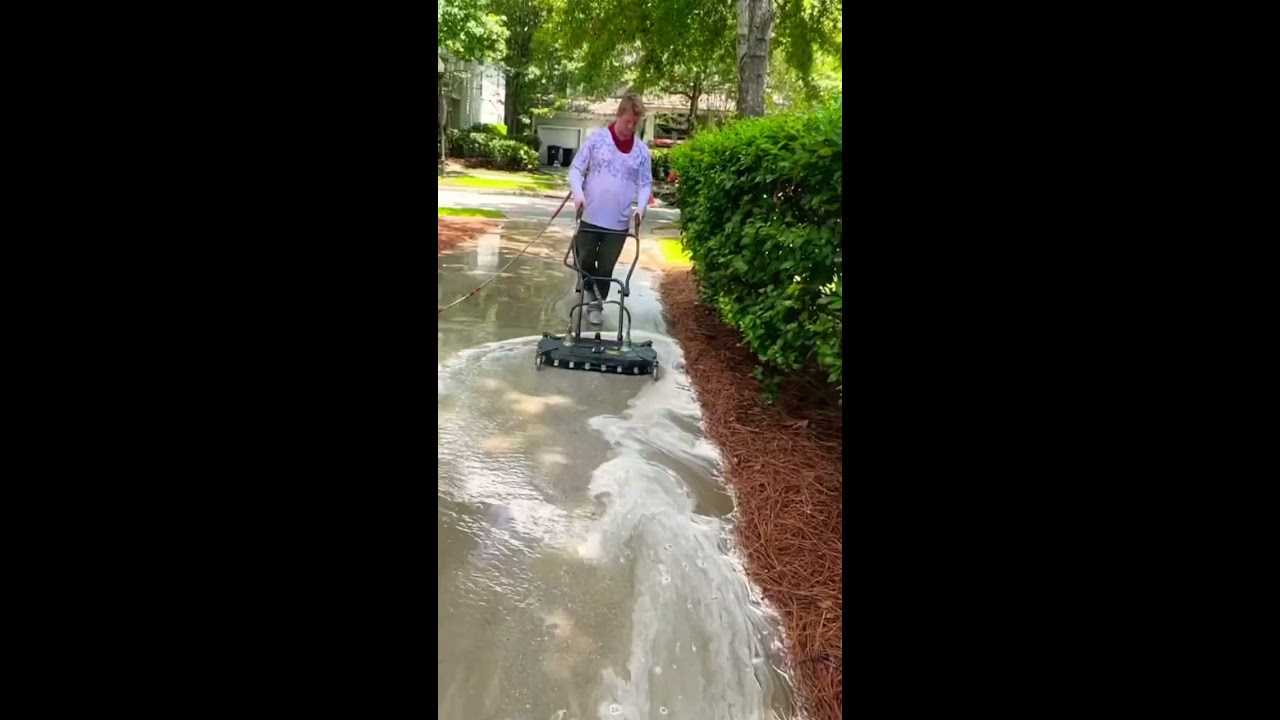
A surface-cleaning attachment can produce a more consistent result than a narrow handheld jet on suitable paving. However, it still needs correct pressure, technique and wastewater control. Start with a small test patch in an inconspicuous area.
On paved driveways, strong jets can dislodge jointing sand and destabilise edges. Check whether the paving needs re-sanding after cleaning, using material compatible with the paving system. Natural stone also needs a tailored approach; acidic products can damage limestone and other acid-sensitive surfaces.
Leaf stains, rust marks and oil deposits may need separate treatments. Increasing pressure is not a reliable substitute for choosing the correct cleaning product.

Roof Cleaning Requires a Separate Assessment
After a storm, roof cleaning should never take priority over checking roof damage. Displaced tiles, loose ridge capping, damaged flashing and leaks need assessment before cleaning begins. A roof that looks dirty from the ground may also have defects that make access unsafe.
High-pressure cleaning can damage some roofing materials, remove protective finishes or force water beneath overlaps. Roof access introduces fall risks, and wet surfaces, moss and loose debris make those risks worse. Do not climb onto a roof with a domestic pressure washer.
A qualified roofing or exterior-cleaning contractor should assess the material, condition, manufacturer requirements and safe access arrangements. Suspected asbestos roofing must not be pressure washed. Solar panels also need their own manufacturer-approved cleaning approach; high-pressure jets are generally unsuitable around panel seals and electrical components.
Blocked gutters and downpipes deserve attention, but clearing them safely is a separate task from washing the roof. Any roof-treatment plan should also account for rainwater tanks and connected downpipes so cleaning products do not contaminate stored water.
Protect Stormwater Drains and Bayside Waterways
Runoff management is particularly important in Melbourne Bayside, where the stormwater network can carry pollution towards local waterways and Port Phillip Bay. Washing detergent, dirty water, paint flakes, oil or concentrated sediment into a street drain is not an acceptable cleanup method.
Victoria’s environmental framework includes duties to prevent or minimise risks of harm from pollution, so wastewater control belongs in the job plan. Depending on the work, controls may include drain protection, temporary bunding, wet vacuum recovery and collection for appropriate disposal.
Do not assume a product labelled biodegradable is safe to discharge into stormwater. It may still harm aquatic life, and the wastewater can contain contaminants removed from the surface. Disposal to sewer also requires checking the relevant water authority’s requirements; it is not an automatic alternative.
Before starting, check current guidance from EPA Victoria, Bayside City Council and the relevant water retailer where applicable. Water-use rules can change, so confirm current requirements rather than relying on old advice about pressure-cleaning equipment.
Choosing Equipment and a Local Cleaning Service
Pressure cleaning and pressure washing usually describe the same broad process. The term power washing sometimes refers specifically to heated-water equipment, although businesses often use these terms interchangeably. Heated water can help with greasy deposits, but it is not automatically necessary for coastal salt removal.
For small, low-risk areas, careful DIY cleaning may be practical. Read the equipment instructions, wear suitable eye protection and enclosed footwear, and keep people and pets away from the spray. Never direct a jet at skin, and never operate petrol-powered equipment inside a garage or other enclosed space.
For larger jobs, ask a local contractor how they assess surfaces, control runoff and protect landscaping. Confirm relevant insurance and ask whether the quote includes debris removal, stain treatments, access arrangements and any required re-sanding. Roof access and suspected hazardous materials require appropriate specialist capability.

A useful quote describes the method, not simply the size of the machine. A contractor should be able to explain where they will use low pressure, which areas need treatment or repairs first, and how they will prevent water entering the building.
Keeping Your Sandringham Home Cleaner Between Storms
Regular maintenance makes post-storm cleaning easier. Keep accessible drainage points free of leaves, repair failing seals and coatings, and check exposed metal fittings for early corrosion. Follow manufacturer advice for rinsing coastal-exposed fixtures, especially where rain does not naturally wash away salt.
There is no single cleaning schedule that suits every Bayside property. A home close to the foreshore may need more frequent attention than a sheltered property further inland. Use visible deposits, surface condition, slip risk and manufacturer maintenance requirements to guide the timing.
Good post-storm pressure cleaning is about controlled removal, not maximum force. By checking for damage, using surface-appropriate methods and containing dirty runoff, Sandringham homeowners can restore outdoor areas while protecting their property and the bay.
Bayside Pressure Cleaning Pros
Unit 3/3-5 Arnold St, Cheltenham VIC 3192
ph. (03) 4517 6380